How To Get An Elderly Parent Into A Care Home

As our parents age, it can be difficult to watch them begin to struggle with simple daily tasks. Naturally, we want the best for our family, but this can often mean moving them into a care home if we are unable to look after them ourselves. Broaching the conversation of moving into a care home can be awkward or uncomfortable, especially if they are resistant to the idea, but there are ways to make sure that everyone feels supported and benefited from this big change. In this blog post, we’ll be discussing some of the ways you can help your parents come to terms with moving into a care home.
Have an Honest Conversation
The first step is to approach an honest conversation with your parents about moving into a care home; this can feel daunting, but it can be done with empathy and reassurance. Start by gently sharing your concerns, focusing first on the small changes you’ve noticed so they don’t feel overwhelmed or criticised. You may have noticed them becoming frustrated with simple tasks, struggling to keep up with household chores, or letting personal routines slip. Keep the tone respectful and positive by highlighting what they can still do and enjoy, and make it clear that your priority is their wellbeing and happiness. Let them know you’ve thoughtfully considered other options, and be open about why you feel a care home might offer the right level of support.
Choose a calm moment when no one is rushed or distracted, and consider involving other trusted family members if it feels supportive, while being careful not to make it seem like a decision has already been made behind their back. Give your parents the space to share their feelings, listening openly and reassuring them that they will remain in control and involved in every step. Framing the conversation as a proactive, preventative step, rather than something prompted by a crisis, can help reduce fear, as it means you are avoiding the potential stress of making rushed decisions after an accident or sudden decline. Above all, be patient and understanding; it may take several conversations over time for them to feel comfortable with the idea, and that’s completely okay.
Discuss the Positive Aspects of Care Home Life
It’s completely natural for your parent to feel hesitant about care homes, especially given the unfortunate stigma that can make people worry about losing their pride, independence or dignity. Gently acknowledging these fears can help you loved one feel understood and supported.
You can reassure them that modern care homes are designed to enhance, not take away, their independence, with professional 24/7 support offering peace of mind and safety while still allowing them to make their own choices about daily routines, meals, and activities. Emphasise that moving also wouldn’t mean losing touch with loved ones. Friends and family can visit just as often, helping them stay closely connected to the people and community they care about.
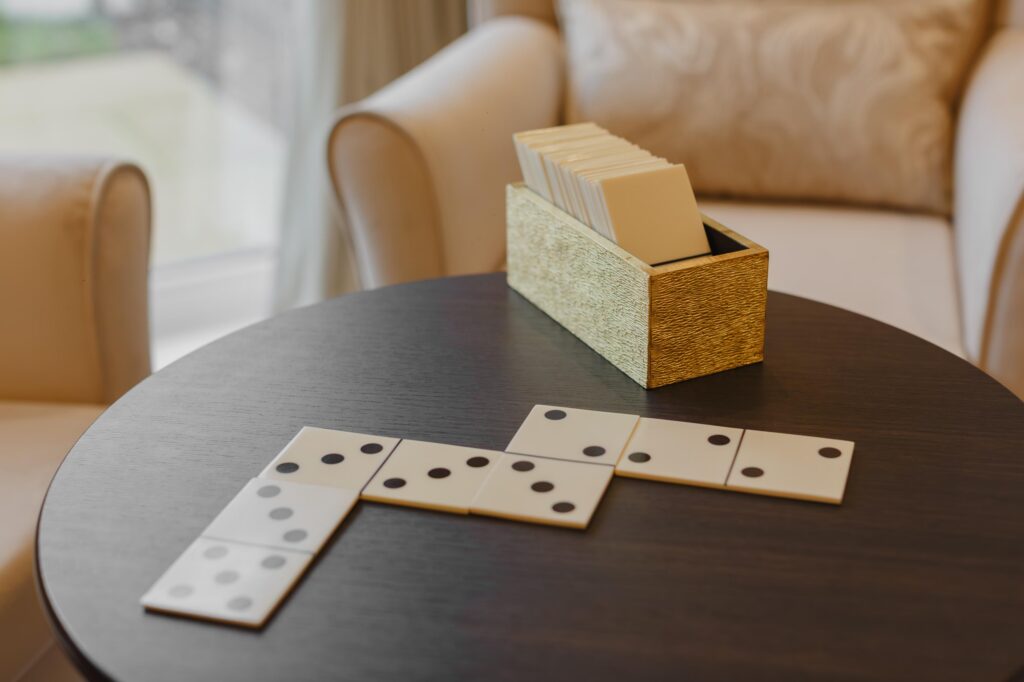
If they’ve been living alone, it may also help to highlight the companionship available, reducing feelings of isolation and loneliness, which can affect both emotional and physical health. You might also point out the practical comforts, like staff taking care of chores such as cleaning and laundry, giving them more time and energy to focus on hobbies, relaxation, and the things they truly enjoy.
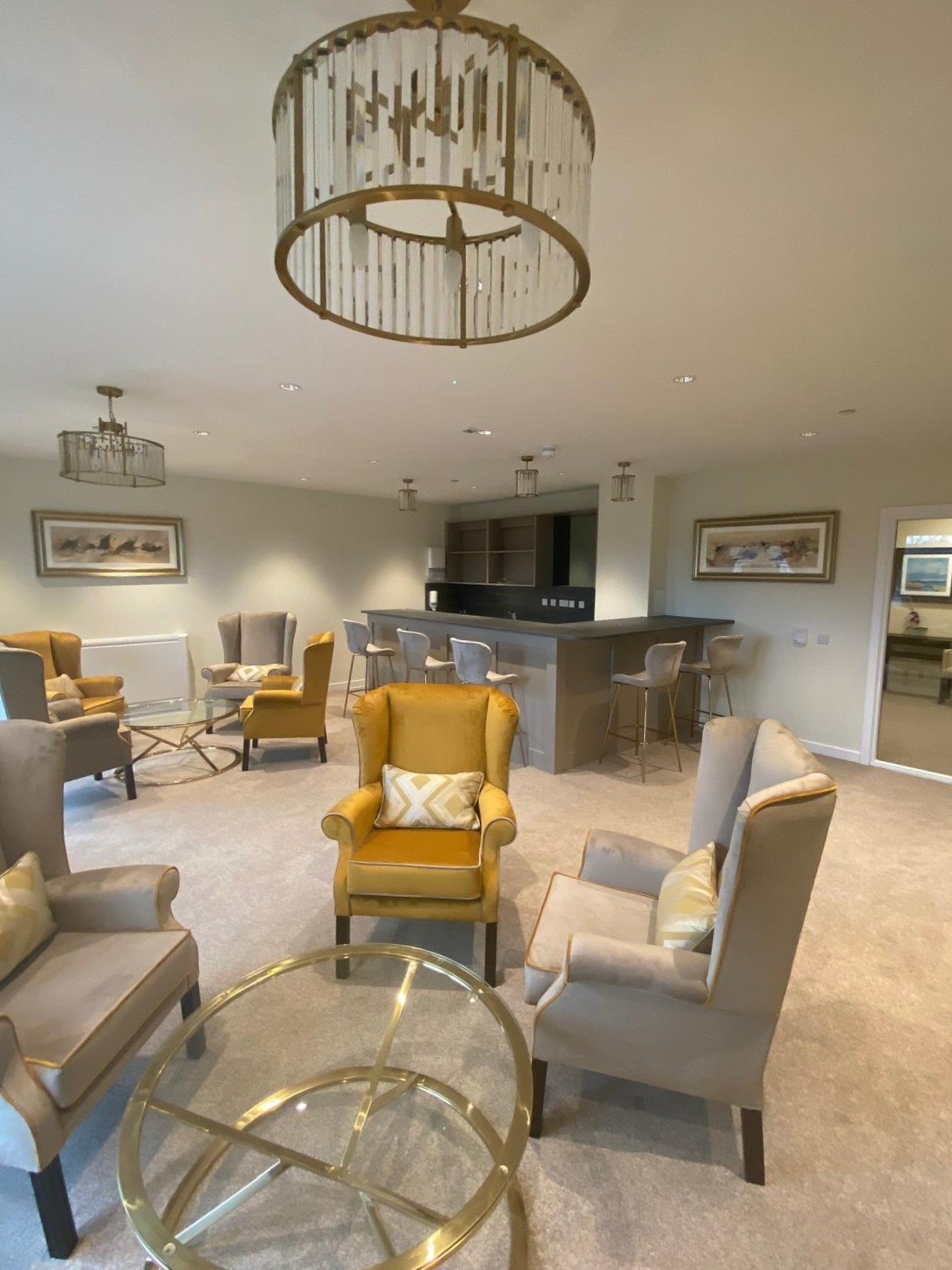
In some homes, added touches like cafés, private gardens, or even a champagne bar can make daily life feel more like a retreat than a compromise. Framing the conversation around these positive aspects can help them see that this step is about improving their quality of life while still respecting who they are and how they want to live.
Understand Their Care Needs
Taking the time to fully understand your parent’s care needs before moving into a care home can make the transition feel far more reassuring and supportive for everyone involved. A Care Needs Assessment helps ensure they receive exactly the right level of care for their individual circumstances, while personalised care plans record their abilities, preferences, and specific needs, meaning support is only provided when it’s truly necessary or wanted. This approach allows them to continue doing as much as they can independently, with the comfort of knowing help is always there if they need it, preserving both dignity and confidence.
It’s also helpful to gently think ahead; if your parent has a progressive condition such as dementia, choosing a home that can meet both current and future needs can provide valuable peace of mind. If your parent does have dementia, it’s important to keep them informed, involved and at the heart of every decision, ensuring their voice is always heard.
Some homes, such as Greenways Care Home in Jordanhill, offer residential, dementia and nursing care all in one place, creating a gentle continuum of care that allows residents to transition smoothly as their needs change, removing the stress and upheaval of having to move again later on.
Look at Local Care Home Options Together
Exploring local care home options together can be a positive and empowering experience for your parent, helping them feel involved rather than feeling like decisions are being made for them. While researching, it’s important they have a genuine say and feel that the final choice is theirs.
Once you have a clear understanding of the type of care they need, the search becomes much more manageable. Simple tools like Google can help you discover nearby options by searching terms such as “care home in Glasgow” or “residential care in Jordanhill”, in your chosen area. You can also look at trusted review platforms like carehome.co.uk to read honest, unbiased experiences from other families, which can provide reassurance and insight.
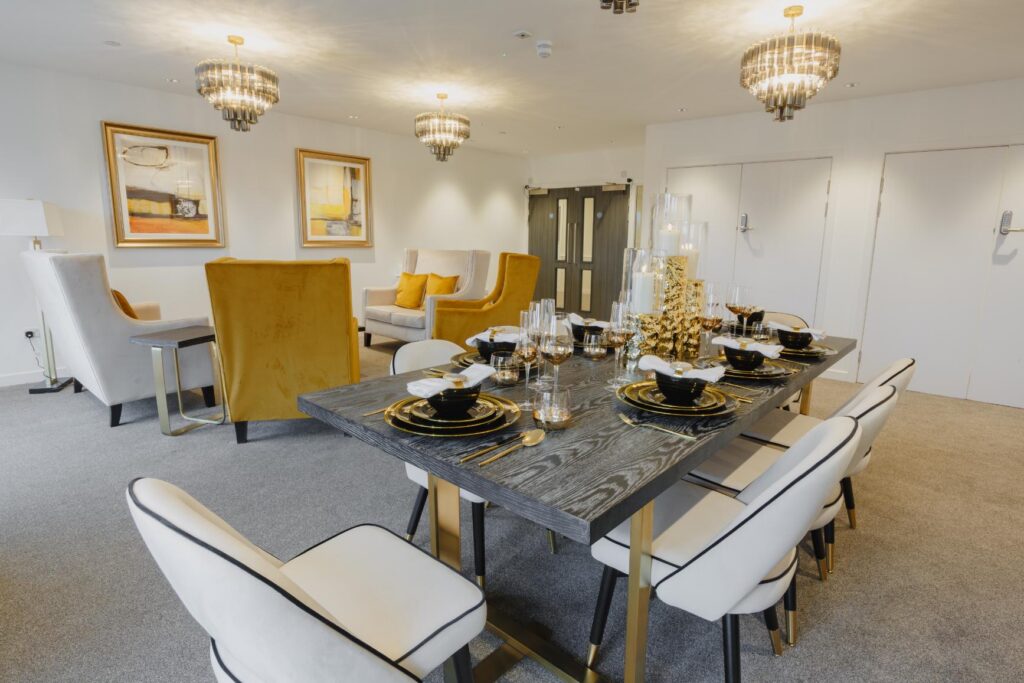
As you explore, think about where your parent would feel happiest, whether that’s staying close to their current home or moving nearer to family and friends for easier visits and stronger connections. It can also help to focus on the lifestyle they want to maintain for example, if they love spending time outdoors, a home with a secure garden or private balcony might feel ideal, while those who enjoy good food may appreciate a home with a dedicated chef and varied menu, you could even try a meal together during a visit. Framing the process around their preferences and comforts can make it feel less like a difficult change and more like choosing a place where they can continue to enjoy life in a way that suits them.

Book visits to care homes
Booking visits to the care homes your parent feels drawn to can be a really reassuring step, as it helps turn an unknown into something familiar and gives a sense of what daily life might be like. During your visits, take notice of how welcoming and friendly the staff are and gently observe how they interact with residents, looking for warmth, patience and respect in those everyday moments.
If possible, try to chat with current residents and their families to hear their experiences firsthand and notice whether people seem comfortable and happy in the home. It can also be helpful to explore the home’s activities programme together, seeing if there are hobbies, social events or pastimes that would interest your parent and help them feel engaged.
Some homes even offer short respite or trial stays, which can be a wonderful way to experience life there without any long-term commitment, allowing your parent to build confidence and familiarity at their own pace before making a final decision.
Care Homes in Glasgow
If you’re looking for care homes in Jordanhill, Glagow, the staff here at Greenways Care Home would be delighted to welcome you and you loved one. Your family can feel confident that their wellbeing is our top priority, with exceptional, compassionate care delivered 24/7 by our dedicated team. The luxury facilities in our new, purpose-built home elevate our holistic approach to care, creating a supportive and calming environment. If you have any questions about moving into a care home or life at Greenways, please don’t hesitate to get in touch with our care experts or arrange a home tour.