Understanding the care system can feel confusing, especially when you are trying to make the right decision for yourself or someone you love. There are different types of care, different terms to understand and often a lot of emotion involved. Residential care homes are here to make life safe and comfortable, while helping each person continue to live with dignity, independence and purpose.
What Are Residential Care Homes?
Residential care homes provide accommodation and 24-hour support for older adults, usually aged over 65. They are designed for people who are no longer able to live safely at home, or who are beginning to struggle with daily living activities.
Many residential care homes also support people living with dementia, disabilities or long-term health conditions. The severity of a person’s needs will often decide whether residential care is suitable, or whether they may need nursing care for more clinical support.
Some residential care homes also provide other types of care, such as nursing care or specialist dementia care. These are often called dual registered care homes. This can be especially beneficial if a person’s care needs develop over time, as they may be able to stay in the home they know and love, rather than moving elsewhere.
The Benefits of Residential Care
One of the main benefits of residential care is that it reduces the stress of managing daily life alone. Looking after your own health and wellbeing can take a lot of physical and mental energy, particularly as needs change. In a care home, that energy can be put to better use, such as socialising, enjoying hobbies, spending time outdoors or simply relaxing.
A safe environment also gives peace of mind. Staff are on hand at all times, which helps residents feel reassured and allows families to relax, knowing their loved one is supported day and night.
What do Residential Care Homes Provide?
24-Hour Personal Care
Residential care homes provide 24-hour support and personal care to manage everyday routines. This can include help with washing, dressing, using the bathroom, maintaining routines and managing medication.
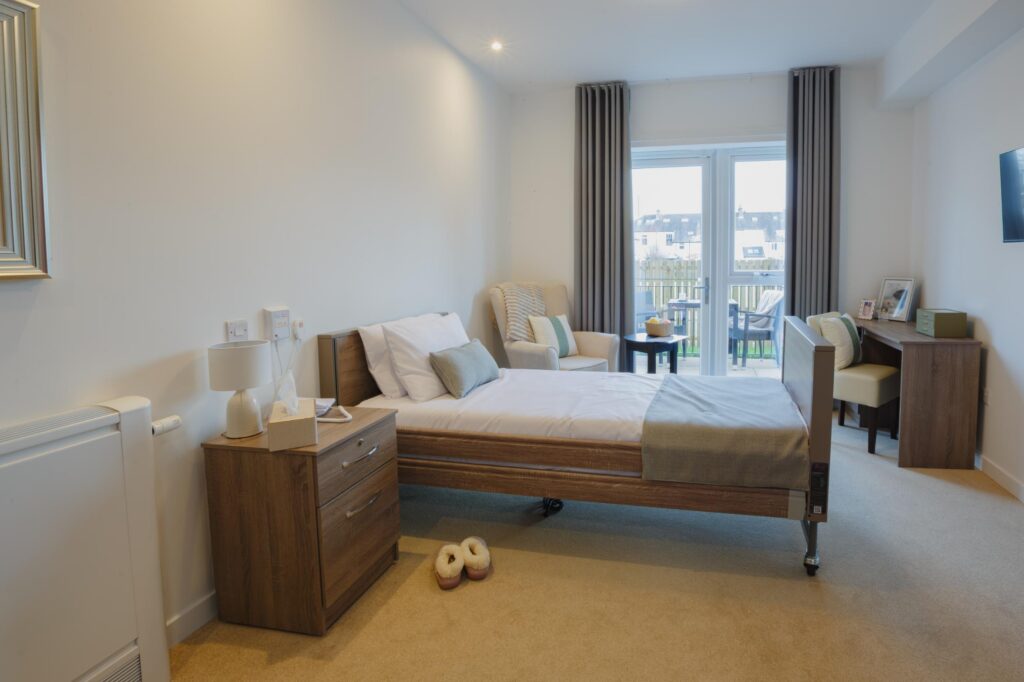
Mobility is also supported in a thoughtful way. Care assistants are on hand whenever needed, and the home itself is usually designed to be easy to navigate. Helpful features may include profiling beds, clear layouts, supportive seating with arms and other small details that make movement easier.
Personalised Care Plans
When someone moves into a residential care home, care experts work with the new resident and their loved ones to create a personalised care plan. This documents the exact level of care they need, as well as their preferences, routines, interests and what matters most to them.
This care plan is shared with everyone involved in their care, including care staff, specialists and GPs where needed. This helps make sure care is consistent, and that the person is treated in the way they want to be treated.
Private Bedroom
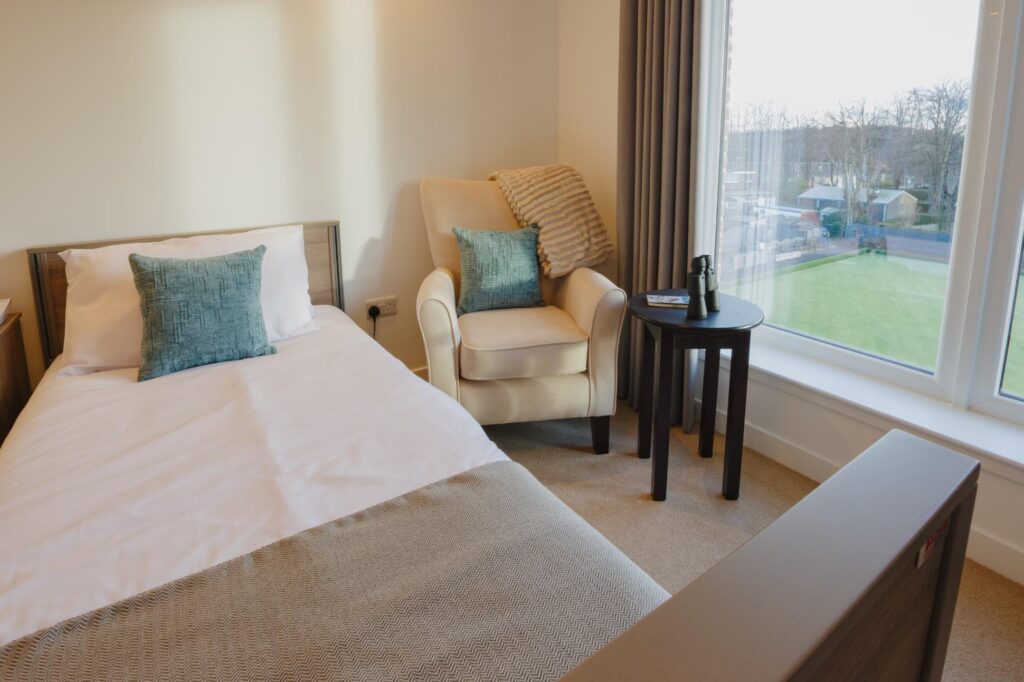
A private en-suite bedroom gives each resident their own space where they can spend quiet time alone, relax, read, watch television or welcome visitors. Bedrooms can be personalised with familiar furniture, photographs, soft furnishings and decor to make it truly feel like home.
Social Environment
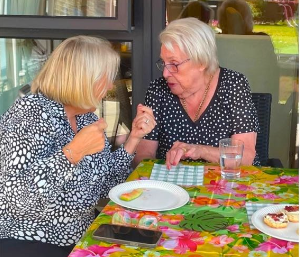
A residential care home provides many opportunities to socialise. Communal lounges, dining areas and shared spaces make it easy to build friendships and feel part of daily life. This can be especially important for older people who have been living alone. Loneliness and isolation are very common, and regular social contact can have a positive effect on mental health, confidence and happiness.
Purpose-Built Spaces
Many care homes are purpose-built or carefully adapted to help residents move around with confidence. Open-plan spaces, wide corridors and uncluttered walkways can make daily life easier and safer.
For residents living with dementia, dementia-friendly design features can also make a big difference. Natural light, calming colours, high contrast, clear signage and a lack of obstacles can help people feel more settled and supported in their surroundings.
Home-Cooked Meals
Food is an important part of feeling well cared for. In many residential care homes, an in-house chef prepares nutritious meals using in-season ingredients and a rotating menu to keep things fresh. Menus are built around residents’ tastes, preferences and dietary requirements. This may include medical needs, religious requirements or simple personal choice. Dishes can also be altered wherever possible, so residents can continue enjoying food in a way that suits them.
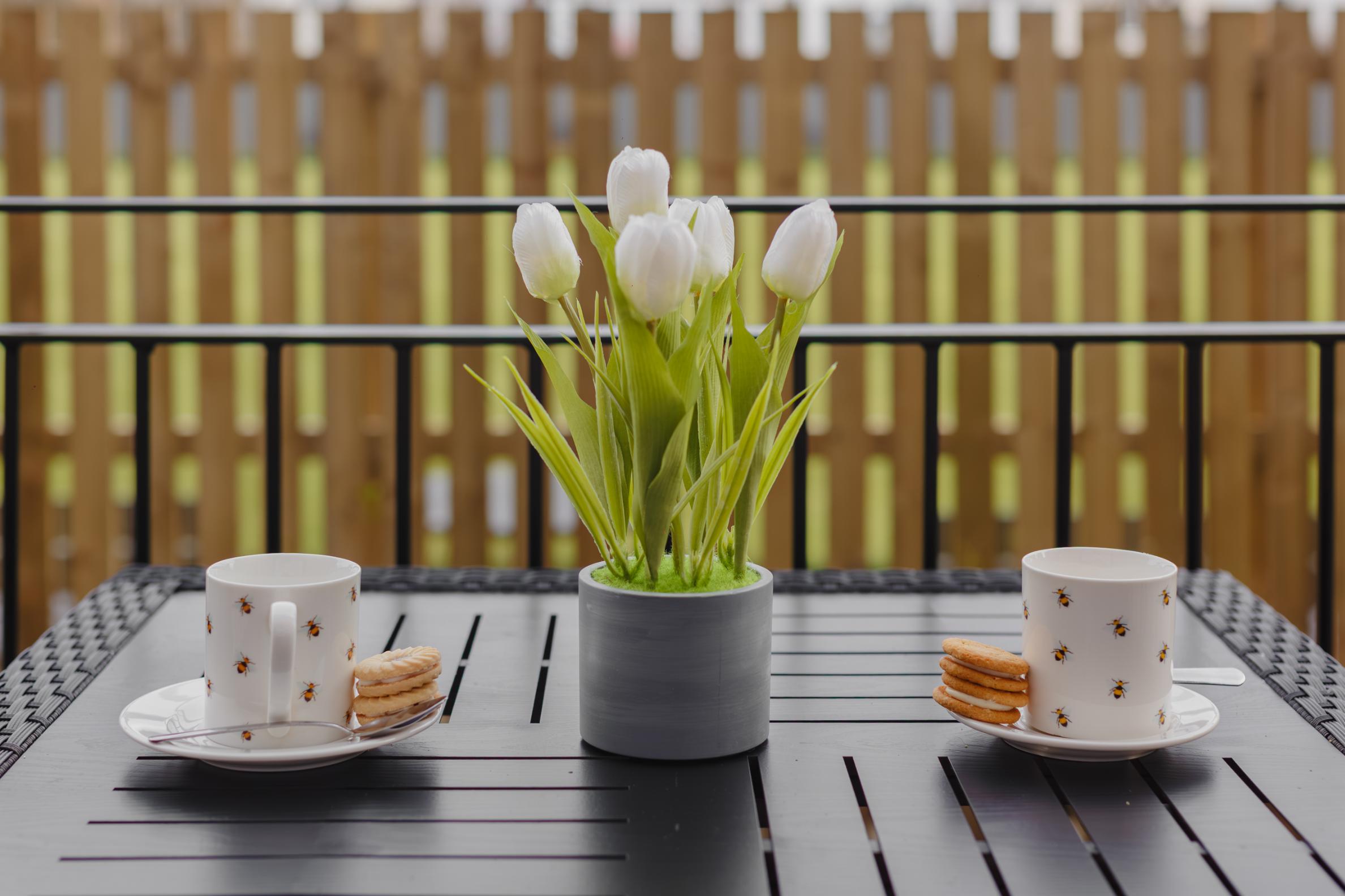
Residents can choose where they eat, whether that is in the communal dining room, their bedroom, another shared space or even in the garden when the weather allows. Mealtimes are also a social and joyful part of the day. Sitting with others, chatting over food and sharing familiar routines can bring comfort and connection. The supportive environment means residents can feel confident while eating, knowing staff are nearby if needed, without taking away their independence.
Theraputic Activities
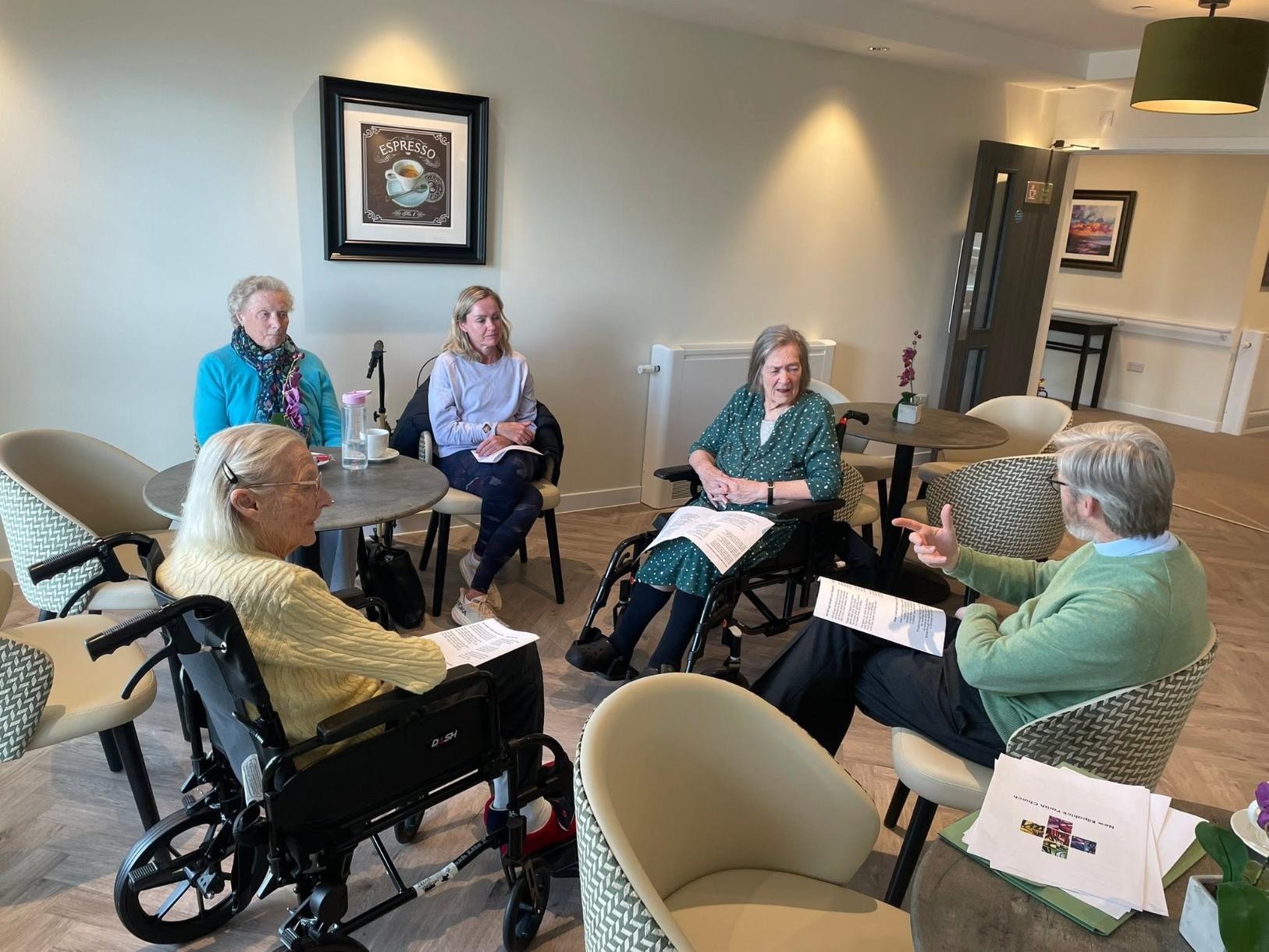
Activities in care homes are tailored around the interests and hobbies of residents, while also encouraging people to try something new. These activities help keep the brain and body active, while adding enjoyment and routine to each week.
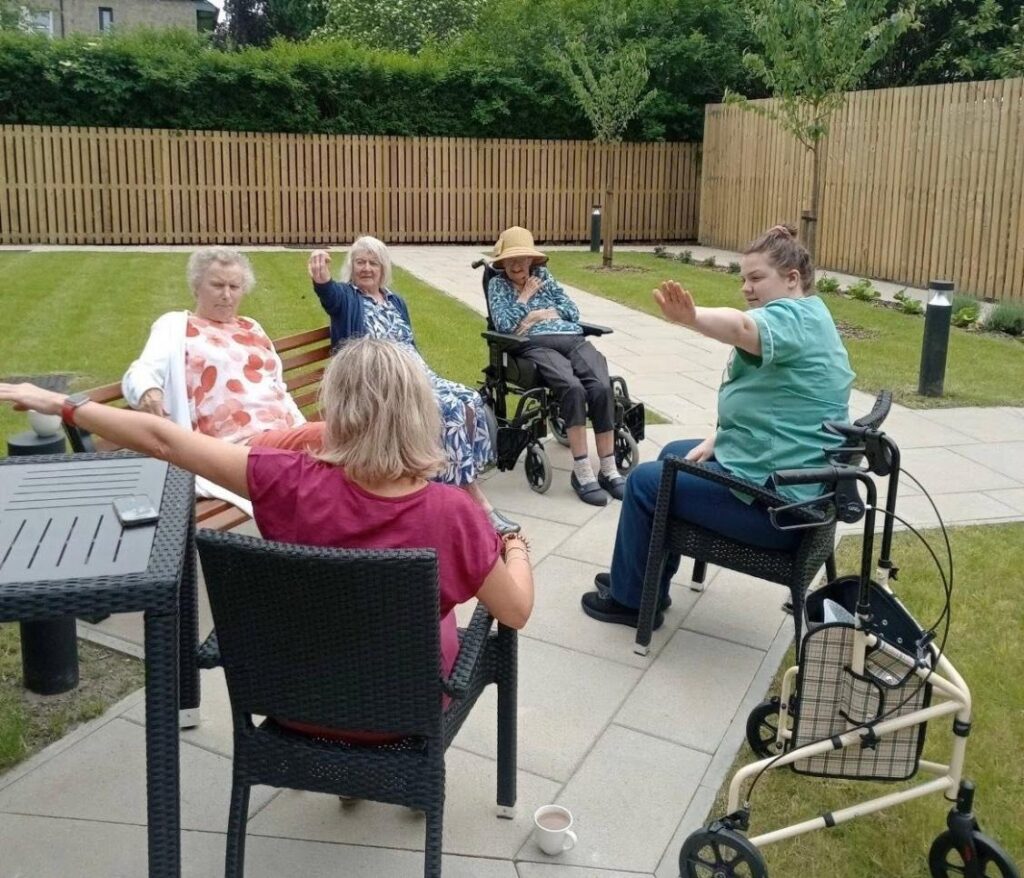
Programmes include group activities and one-to-one sessions. These can involve gentle physical exercise, creative activities, cognitive puzzles, social groups and outdoor activities.
Many homes also arrange entertainment, visiting performers and outings into the local area. This can be especially beneficial for homes in vibrant cities such as Glasgow, where there are opportunities to stay connected with their community. Special activities such as pet therapy, seasonal celebrations, intergenerational visits from local schools and church visits can also keep life fresh.
Outdoor Spaces
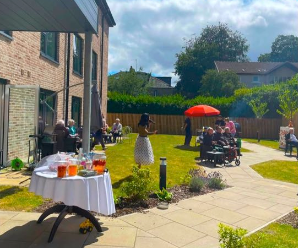
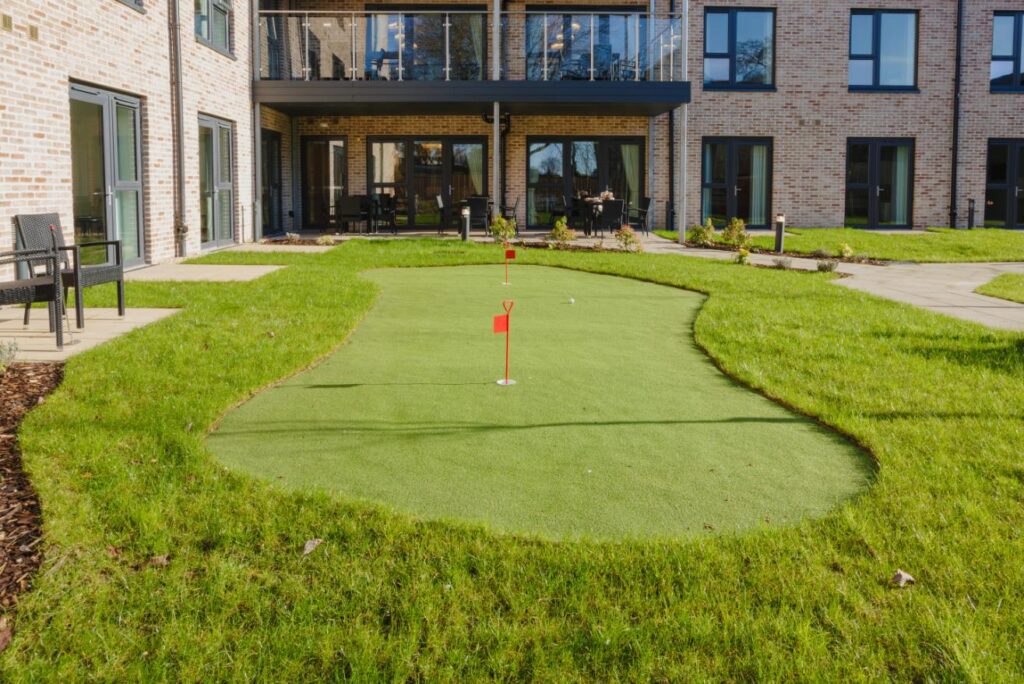
Outdoor space can be a valuable part of residential care. Landscaped, accessible private gardens give residents somewhere peaceful to enjoy fresh air, nature and gentle movement. Secure perimeters, flat pathways and regular seating help make gardens accessible for people with different mobility needs. Outdoor areas can also offer sensory stimulation through plants, flowers, birdsong and changing seasons.
Spending time in nature can support mood and wellbeing. Even a short time outside can help people feel calmer, brighter and more connected to the world around them.
Luxury Facilities
Some care homes offer additional, luxury amenities to make daily life more enjoyable. These may include a putting green, cinema room, café, champagne bar or in-house hair salon. Beautiful, modern and carefully designed decor can also help create a welcoming environment. While these features are not a replacement for good care, they can add comfort, choice and pleasure to everyday life.
What is Residential Respite Care?
Residential respite care provides everything that full-time residents receive, but for a shorter period of time. This may range from around three weeks to a couple of months, depending on the home and the person’s needs.
Respite care includes a personalised care plan and access to the same facilities, activities, meals and support as permanent residents. It can be a helpful option for someone who wants to try care home life before making a long-term decision.
It is also a supportive choice for family carers. Respite care gives regular carers a well-deserved break to rest, recharge or go on holiday. During this time, families can have peace of mind that their loved one is happy, safe and well cared for. For the person staying, it can even feel like a holiday of their own, with new company and a comfortable change of scene.
Residential Care in Glasgow
For families looking for a residential care home in Glasgow, Greenways Care Home offers exceptional standards of personalised care in a calm, beautifully designed setting. Residents are supported by a dedicated team who take time to understand their routines, preferences and individual needs, helping each person feel respected and at home.
Alongside 24-hour care, Greenways also offers luxury facilities that make everyday life more enjoyable, from elegant communal spaces and landscaped gardens to thoughtful amenities designed for comfort, connection and wellbeing. We would love to invite you for an in-person tour of our care home in Glasgow, so you can meet our friendly team and envision your life here. We can’t wait to meet you.