The Benefits of Respite Care For Families in Glasgow
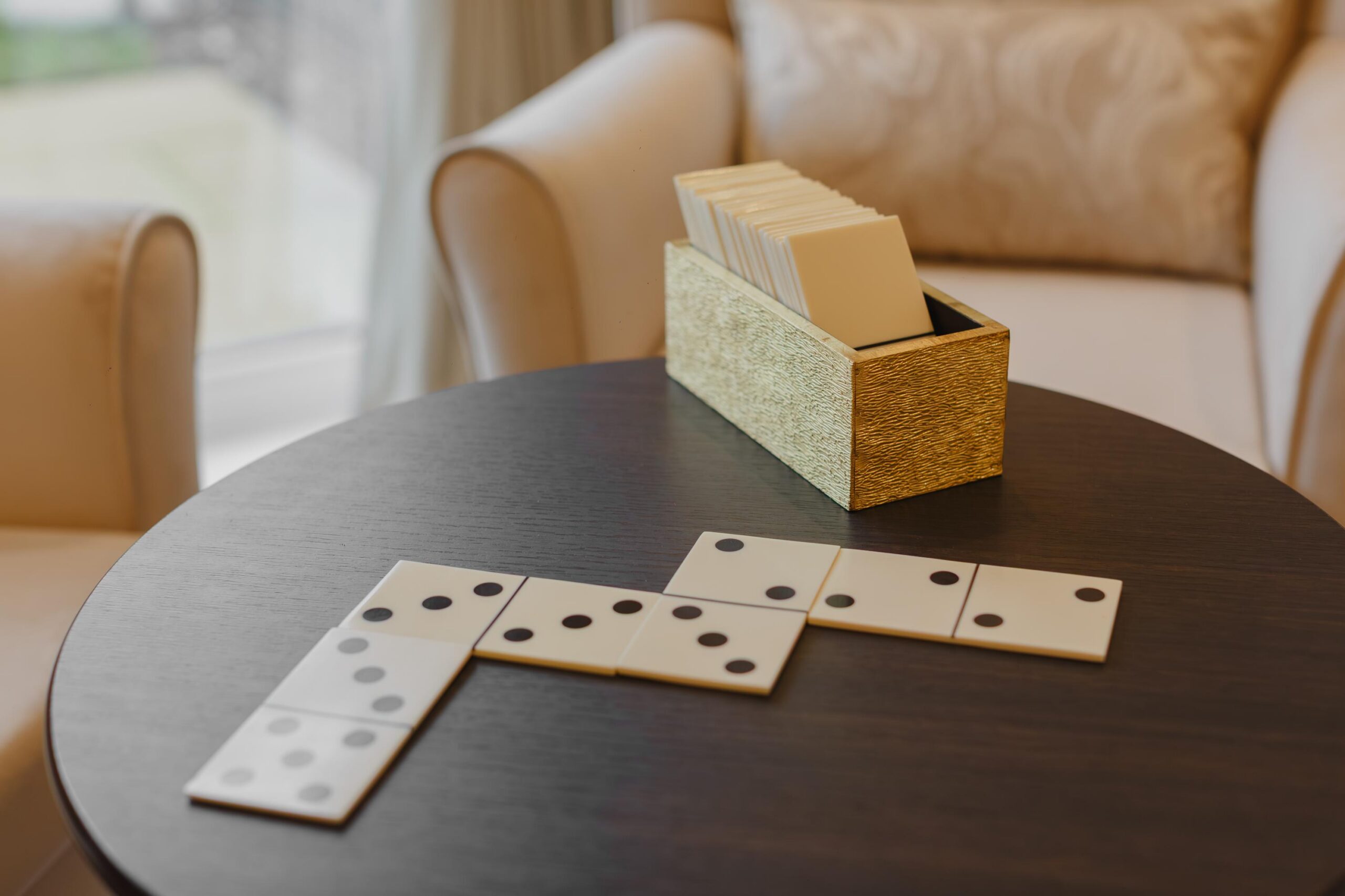
Starting to consider respite care in Glasgow can feel like a daunting step for both you and your loved one. However, being aware of the many benefits short-term care can have can help you feel more comfortable in your decision and give your family peace of mind. In this blog, we explore how respite care can support wellbeing, strengthen relationships and bring peace of mind to families across Glasgow.
What is Respite Care?
Respite care is temporary care designed to step in when a person’s usual carer needs time to rest, attend appointments, work or take a short break. It offers peace of mind that their loved one is safe, comfortable and supported. For many families looking for respite care Glasgow, it can be a valuable way to protect both the wellbeing of the person receiving care and the family member who supports them every day.
Respite care can take many forms. It may be a few hours of help at home, regular visits each week, day support in a welcoming community setting, or a longer stay arranged for a holiday or recovery period. The level of support can also vary, from companionship and help with meals to personal care and medication support, depending on what is needed.
Types of Respite Care in Glasgow
Families exploring respite care Glasgow often choose from several options depending on the level of support required and how long the break is needed for.
Day care centres, often run by charities or local councils, can provide half-day or full-day support. These are often booked regularly, such as one day each week, giving carers time to focus on self-care, household tasks or work commitments. They usually offer activities, friendships, personal care and medication administration in a friendly setting. However, they may be less suitable for people with more complex nursing needs.
At-home respite care allows support to be provided by a visiting carer in the comfort of a person’s own home. This can be arranged for a few hours each week, overnight or for a short period such as a week while a family carer takes a holiday. Many families value this option because it allows their loved one to remain in familiar surroundings and keep to their usual routine.
Care home respite in Glasgow offers short-term support in a warm, communal setting where guests can enjoy companionship, activities and a homely environment. During their stay, they receive the same expert 24-hour care as permanent residents, with on-call support available for complete reassurance. This can suit a range of needs, from residential care to nursing or dementia support.
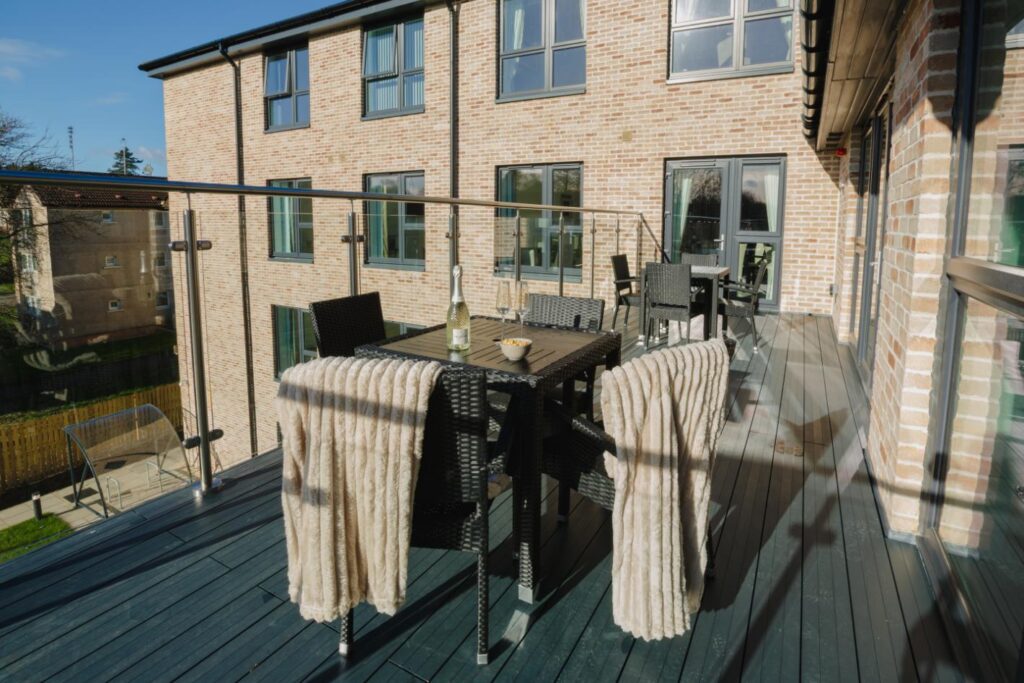
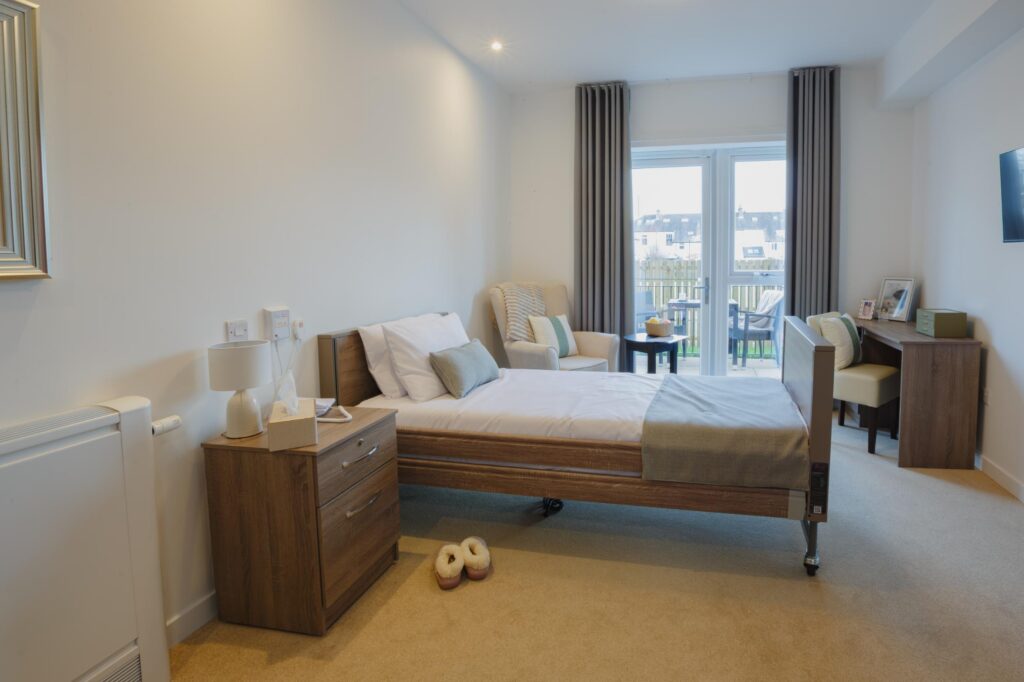
Care home guests usually stay in a private en-suite bedroom for anything from a couple of weeks to several months, with personalised care plans created to support independence and maintain familiar routines. Many care homes also offer welcoming extras such as private gardens, sensory rooms, hair salons or other comfort-focused facilities that help each stay feel relaxed and enjoyable.
How long does Respite Care last?
Depending on your family’s needs, respite care in Glasgow can last from a few hours to several weeks or even a few months. Some people use respite as regular ongoing support, while others arrange it only when unexpected circumstances arise.
Benefits of Respite Care in Glasgow
Choosing respite care Glasgow can support both the person receiving care and the family members who care for them every day. It’s important to remember that although respite care may feel like a huge step, it does not mean giving up. It can often be the best thing for your family’s overall wellbeing.
Communal Living
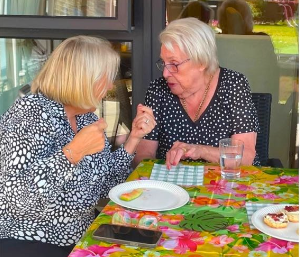
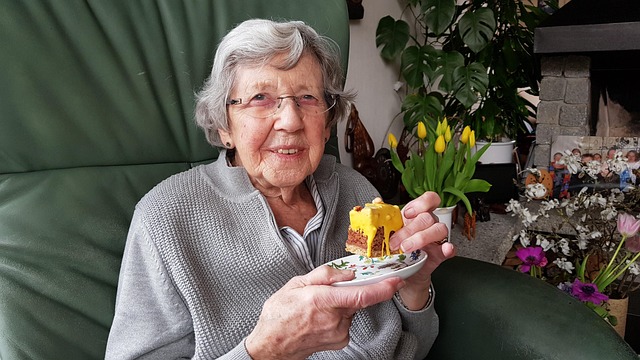
For many people receiving care, one of the biggest benefits of respite care Glasgow is the chance to spend time with others. A welcoming communal setting can provide conversation, shared meals and opportunities to build friendships with like-minded people, which can reduce feelings of isolation and loneliness. In a care home, staff take time to truly get to know residents and guests, meaning they can often introduce people with similar backgrounds, hobbies or interests.
Feeling part of a wider community can make a real difference to wellbeing. Regular social contact can build confidence, improve communication and help someone feel more connected and valued.

Mental Stimulation
A short stay in respite care can offer a refreshing change of scenery while still keeping familiar routines in place. Personalised care plans mean guests can continue with the routines that matter to them, while also enjoying flexibility if they prefer something different, such as a lie-in at the weekend or picking up a new hobby.
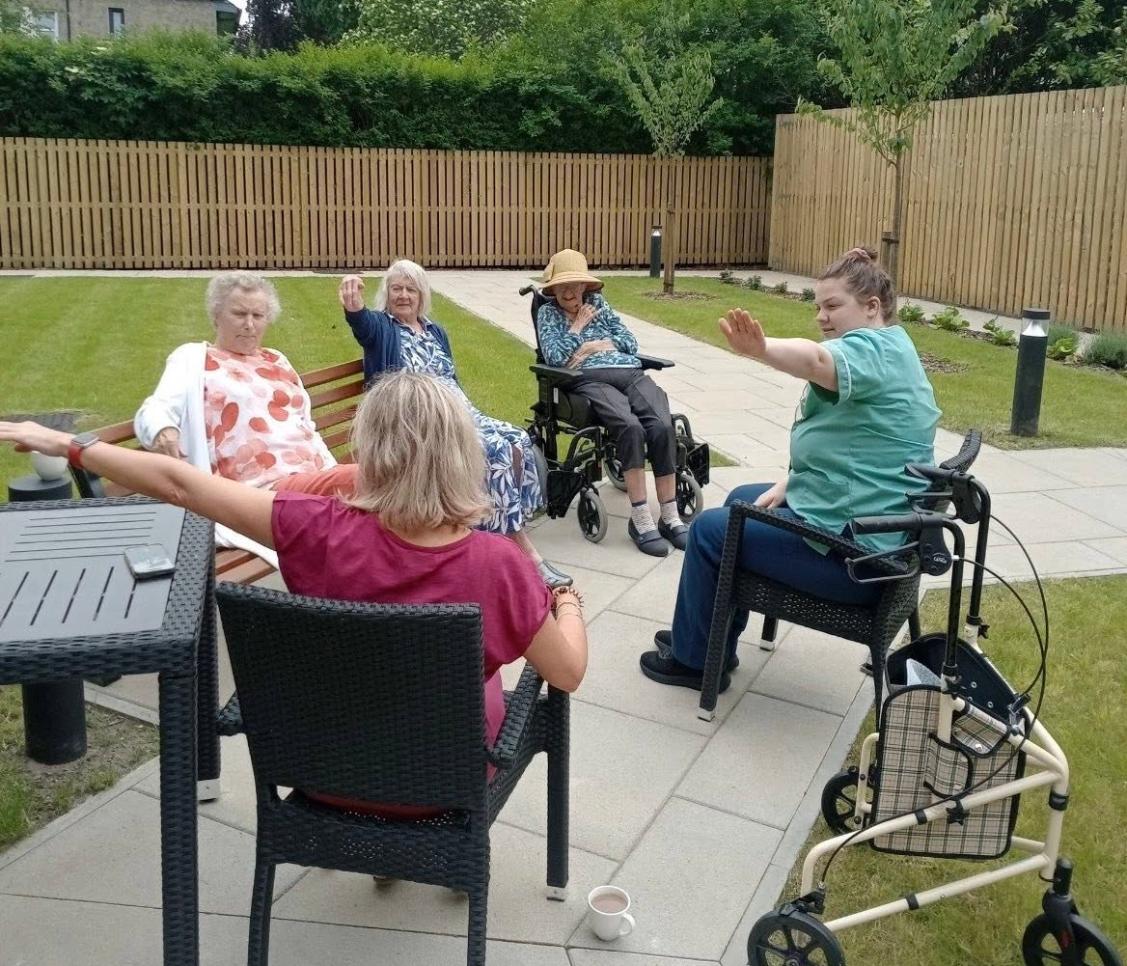
New surroundings, new faces and engaging activities can provide valuable mental stimulation. Many people enjoy taking part in hobbies, gentle exercise, games or events that may be difficult to access at home or in everyday life. Some care homes in Glasgow may have dedicated transport services to allow residents to safely explore the city and its many attractions, gardens and cafes.
Stronger Relationships Between Individuals and Carers
Caring for a loved one can be rewarding, but it can also be physically and emotionally demanding. Respite care allows carers to step back, rest and return feeling more patient, refreshed and able to provide the best possible support. They say absence makes the heart grow fonder, and some time away can help both the carer and person receiving care to re-centre.
When a carer is exhausted, everyday pressures can sometimes lead to frustration or tension at home. Taking a break can ease that strain and help relationships feel warmer and calmer again. It can also reassure the person receiving care, knowing their loved one is getting the support they need too, which in turn can reduce feelings of guilt.
Time for Carers to Rest and Recharge
Looking after your own wellbeing is an important part of caring for someone else. Using respite care gives carers time to catch up on sleep, focus on self-care, attend appointments or simply enjoy a short break or holiday.
Returning with renewed energy and a clearer mind can make daily caring responsibilities feel more manageable. Regular breaks can also help prevent exhaustion and burnout over time an improve overall mental health.
Using Respite Care As A Trial-Run
Respite care can be a helpful way to experience care home life before making any long-term choices. A short stay allows families to see more than they would during a brief visit. The respite care guest can notice the everyday atmosphere, how staff interact with residents and how they feel in the setting.
It can also help someone decide whether communal living suits them, without the pressure of committing to a permanent move straight away.
Emergency Respite Care
Sometimes respite care is needed unexpectedly. If a family carer becomes unwell, has an emergency or is suddenly unable to provide support, respite care can act as an important safety net.
Having access to trusted respite care services in Glasgow means families can feel reassured that their loved one will remain safe, comfortable, and properly cared for when life takes an unexpected turn.
Respite Care at Greenways Care Home
At Greenways Care Home in Glasgow, respite care is designed to give families complete peace of mind while offering guests comfort, companionship and expert support. With person-centred care tailored to individual routines, preferences and needs, every stay feels reassuringly personal from the moment they arrive. Guests can also enjoy luxury facilities such as beautiful gardens, relaxing lounges and a champagne bar.
Get in touch today to learn more and chat about how Greenways Care Home can support you and your family. We’d love to welcome you for a tour of our beautiful home.