
Caring for a loved one living with dementia is hugely challenging and rewarding, but there will likely come a time where your family will need to consider round-the-clock, professional support. Every person’s care needs and family situation is unique, so there is no set time that a person living with dementia should move into a care home. There are, however, a few signs you can look out for that suggest your loved one would benefit from the reassuring and safe environment a care home offers.
How Long Can A Person With Dementia Live at Home?
There is no set time for how long a person can live independently having received a diagnosis of dementia. How well and how long they can cope at home depends on a variety of factors, including: the type of dementia they have, at what stage of dementia they were diagnosed, the symptoms they are experiencing, how fast the disease is progressing and the support system or facilities they have at home.
There are over 100 different types of dementia that can affect people in many different ways and progress at different speeds. For example, a person diagnosed with Alzheimer’s Disease, the most common form of dementia, is likely to experience significant memory loss, whereas someone with Lewy Body Dementia is more likely to experience visual hallucinations or movement issues.
It is a good idea to not wait until a crisis point. Taking preventative action by starting the conversation sooner will help make the process as smooth and stress-free as possible. It will also mean your loved one can have more say in where they will live and you can take your time to make this big decision together.
Remember to keep your loved one involved in the conversation about care and decision-making process as much as possible. Show them some options of care homes keep the chat open and positive.
There is never a perfect time to move into a care home and it will always be an emotional process, but it is important not to feel guilty. Making the decision to choose professional care means recognising what is best for your loved one’s safety and wellbeing, and will likely make life calmer and happier for everyone involved.
Signs Your Loved One Would Benefit From Residential Dementia Care
Safety Concerns
Memory loss and confusion and lead to serious safety hazards, especially if a person is living alone. If your loved one has been leaving the oven on, forgetting to lock doors or leaving the house and forgetting the way home, this can pose a significant risk.
Mobility issues can also mean that the layout of a home is no longer suitable, and puts your loved one at risk of falls or accidents. A person forgetting or being unable to tidy and clean their home can also result in a unsuitable living environment, which can have adverse affects on their physical and mental health.
Another common symptom of dementia is having trouble eating or drinking, so 24-hour support and supervision at mealtimes may become necessary to avoid choking.
Neglecting Self-Care
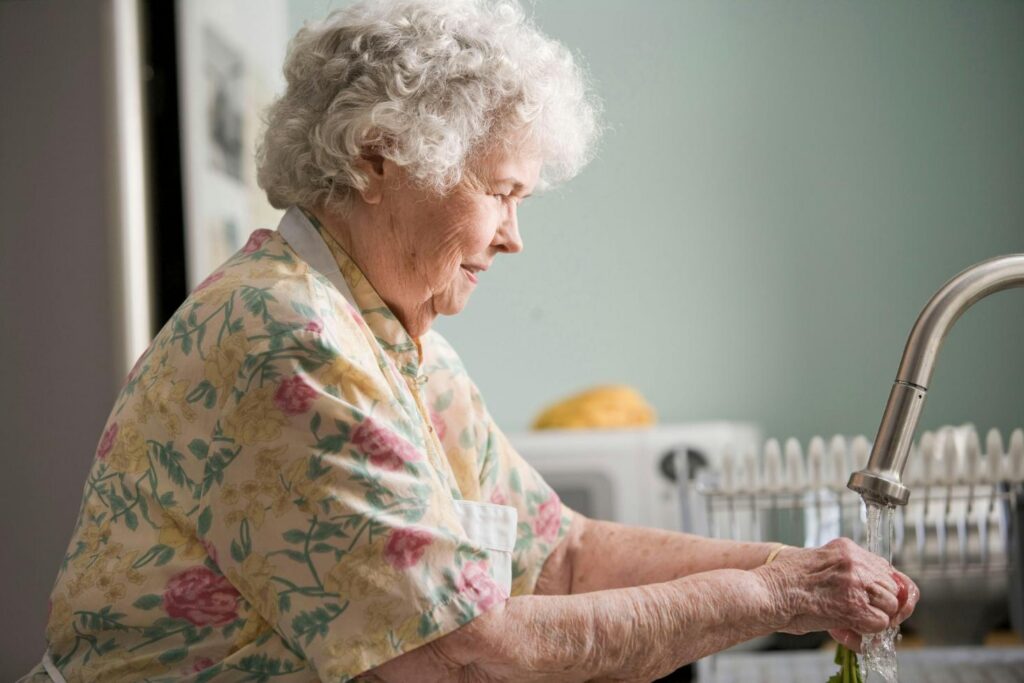
People living with dementia may forget or become unable look after themselves properly. Personal care can become difficult due to cognitive and physical changes and a person may stop cleaning themselves, cooking nutritious meals or dressing themselves appropriately. This can result in poor physical health and declining self-esteem.
They might also forget to take medications which can potentially cause serious health issues.
Increased Confusion
A person living with dementia may routinely forget where things are kept in their home, missing appointments
In more severe cases, they may no longer recognise that they are at home, which can lead to distress, anxiety or even panic. This can be troubling whether they are living alone, or with a family member who is understandably not capable of deescalating the situation. In a dementia care home, all staff are highly trained in reducing stress in people living with dementia and keeping them calm.
Changes in Behaviour and Mood
Some people living with dementia can experience mood swings or uncharacteristic behaviour, especially when they are stressed. This can result in aggression or withdrawal that most family carers do not have the training to support, and often find upsetting.
Care home staff are skilled in helping people living with dementia to stay relaxed, and will patiently support your loved one whenever they need it.
Isolation and Loneliness
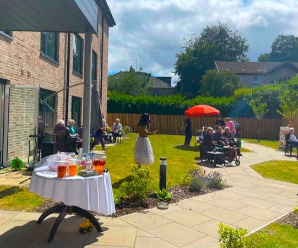
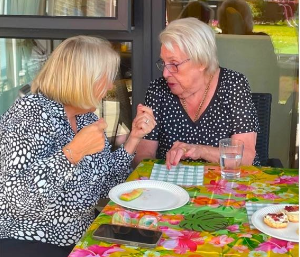
Living alone or not being able to safely leave the house regularly can result in isolation and loneliness, for both the person living with dementia and their primary carer. A care home offers regular social opportunities with peers in a similar situation, whether it’s a activities schedule for residents or a coffee morning for family members.
Socialisation offers vital cognitive, emotional and physical benefits for people living with dementia, and has even been shown to help slow cognitive decline and improve overall quality of life.
Neglecting Their Hobbies
Dementia can affect a person’s abilities, perception and self esteem to the point where they no longer do the things that make them happy. A diagnosis of dementia shouldn’t mean losing your sense of identity and individuality.
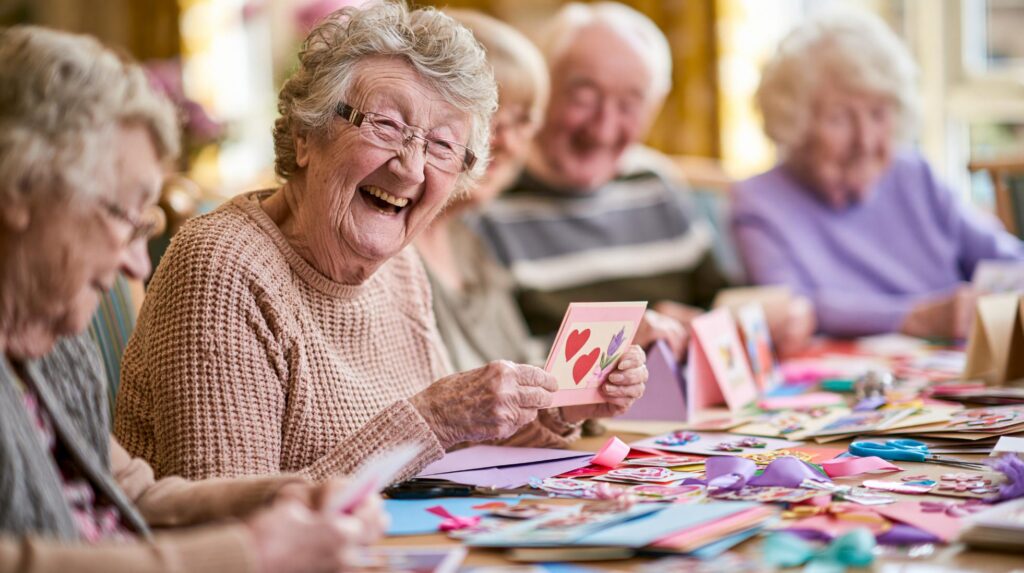
In a care home, a variety of activities are planned around residents’ interests, enabling them to continue with their hobbies and even try new things. Staff are on hand at all times to support residents without needlessly intervening, helping them to maintain independence and build confidence.
They Now Need Continuous Care
When a person is living with dementia, their care needs may change quickly or gradually over time, until their family carer is no longer equipped to look after them. This might come after a fall or a stay in hospital, or if they develop health issues that need round-the-clock nursing care from trained professionals.
Caregiver Burnout
Caring for a loved one living with dementia can be extremely rewarding, but it should never come at the expense of your wellbeing. If a person’s dedicated caregiver is suffering from poor physical or mental health as a result of caring for their loved one, it is likely that both parties will benefit from a dementia care home.
Many families experience a huge relief and improvement in their relationship following a move into a care home. Many care homes are have no set visiting times, so you can spend quality time with your loved one whenever suits you, without the pressure of being their carer.
Dementia Care Home in Glasgow
If you’re considering dementia care in Glasgow for your loved one, we’d love to show you around Greenways Care Home. Our luxury, purpose-built environment enables our residents to maintain their independence and thrive, while receiving expert care from our highly-trained, compassionate staff. Please arrange a tour of Greenways Care Home today; we’d love to meet your family and discuss how we can support your loved one.